
Abdominal Pain (Lower Abdomen)
What Is Abdominal Pain (Lower Abdominal Pain)
Lower abdominal pain (or lower stomach pain) is discomfort felt below the belly button and above the groin. It may present in a number of ways, including as a cramping sensation, sharp pain, dull pain, or bloated. The pain may come and go or stay consistent.
The pain may have many possible causes, as the area includes parts of the bowel, bladder, urinary tract, abdominal wall, and, in women, the reproductive organs.
The causes may be bowel-related if the pain occurs together with other symptoms such as constipation,diarrhoea, bloating, rectal bleeding, or a change in bowel habits.
Causes of Abdominal Pain (Lower Abdomen)
There are several possible causes of lower abdominal pain, ranging from constipation to diverticular disease.
Constipation or Trapped Stool and Gas
Constipation or trapped gas can be a common cause of lower abdominal cramps, pressure, bloating, and discomfort in the lower abdomen, especially when stool is hard to pass.
Irritable Bowel Syndrome (IBS)
IBS typically causes repeated abdominal pain linked to bowel movements. It may also appear together with diarrhoea, constipation, or both.
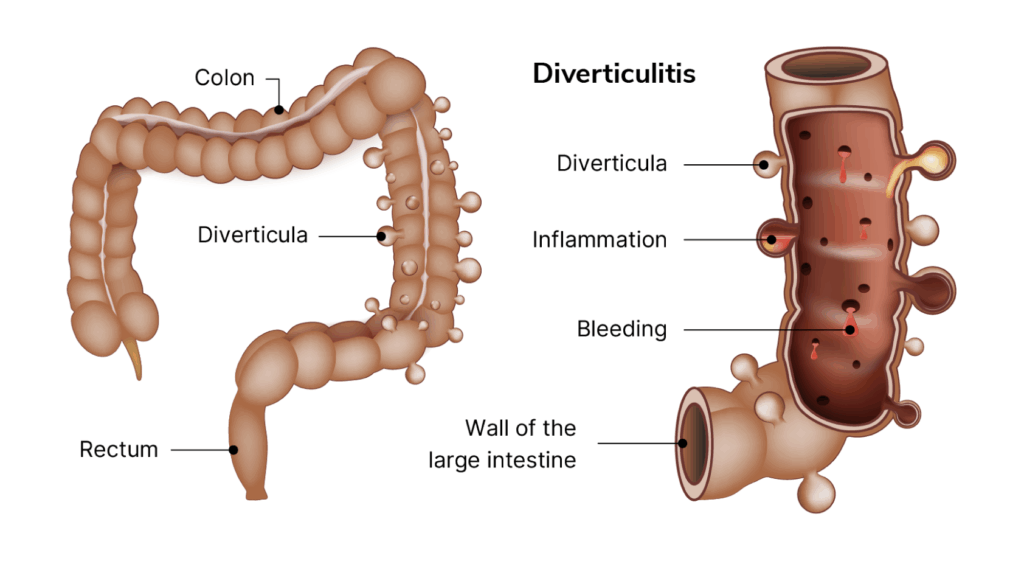
Diverticular Disease
Diverticula are pockets that form in the colon wall. They may cause lower abdominal pain, often with fever, nausea, bloating, and changes in bowel habits.
Learn more about diverticular disease (diverticulitis).
Inflammatory Bowel Disease (IBD), including Ulcerative Colitis and Crohn’s Disease
The colon may sometimes become inflamed from infections, ischemia, ulcerative colitis, or Crohnʼs disease. This can cause abdominal pain, chronic diarrhoea, rectal bleeding, fatigue, urgency, and weight loss.
Learn more about IBD.
Appendicitis
If the pain starts near the belly button and then moves to the lower right abdomen, it may be due to appendicitis. This may also occur together with nausea, fever, and loss of appetite.
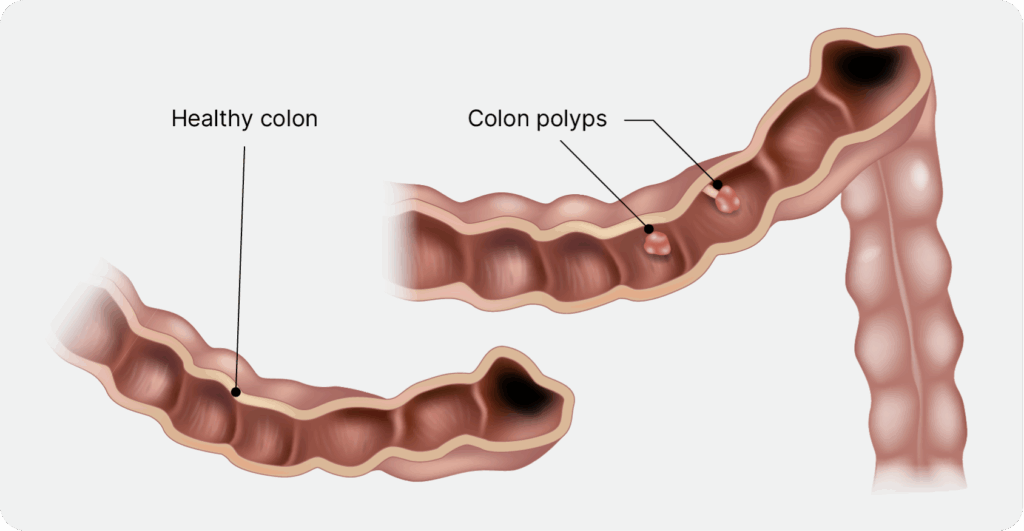
Colorectal Cancer or Large Polyps
Both large polyps (benign growths) and colon or rectal cancers may sometimes cause pain in lower abdomen. The pain may occur together with blood in the stool, altered bowel habits, fatigue, anaemia, or unexplained weight loss.
Learn more about colorectal cancer.
Bowel Obstruction
This is a more urgent cause that can lead to severe ,sharp, or wave-like lower abdominal pain. It may be accompanied by obvious bloating, vomiting, and an inability to pass stool or gas.
Bladder Infection or Other Urinary Causes
Lower abdominal discomfort may occur together with a burning sensation when passing urine, urinary urgency, frequent urination, or cloud or bloody urine. When this happens, it may be related to urinary causes such as a bladder infection.
Hernia
Lower abdominal or groin pain may be related to a hernia, particularly if there is a lump or pain that worsens with coughing, straining, or movement.
Other Causes
Specifically for women, lower abdominal pain can also come from issues with the reproductive system. This includes menstrual cramps, endometriosis, ovarian cysts, pelvic inflammatory disease, and ectopic pregnancy.
How to Tell If You Have Abdominal Pain (Lower Abdomen)
The following are the details to watch and track when you feel abdominal pain. All of them can help your doctor narrow down the cause:
- Where the pain is located, for example, at the lower left, lower right, middle, one side only, both sides, or pain that spreads to the groin, back, or pelvis
- What the pain feels like, for example, crampy, sharp, burning, pressure-like, constant, or pain that comes in waves
- When it started and its progression, for example, if it came on suddenly or gradually, or is worsening
- Whether it is linked to other symptoms, for example, bowel movements, trapped gas, diarrhoea, constipation, bloating, urgency, or a feeling of incomplete emptying
- Whether there is blood or mucus in the stool, rectal bleeding, or black sticky stools
- Whether the pain is accompanied by systemic symptoms, for example, fever, nausea, vomiting, loss of appetite, tiredness, or weight loss
- Whether there are urinary symptoms, for example, painful urination, frequent urination, or blood in the urine
- For women, whether the pain is linked to female-specific concerns, for example, painful urination, frequent urination, or blood in the urine
See a Specialist about Abdominal Pain
If you are experiencing lower abdominal pain, book an appointment with us for a medical evaluation. Following the consultation, our colorectal specialist can recommend a suitable treatment plan based on your condition.
What to Be Concerned about with Abdominal Pain
You should seek a doctor’s assessment or urgent care if you experience any of the following:
- Severe or sudden lower stomach pain, or abdominal pain that rapidly worsens
- A swollen, rigid, or very tender abdomen, especially if touching the belly worsens the pain
- Fever, persistent vomiting, or inability to keep fluids down
- Blood in the stool, black sticky stools, or vomiting blood
- Inability to pass stool or gas, especially paired bloating or vomiting
- Unexplained weight loss, ongoing fatigue, lasting change in bowel habits, or recurrent dull abdominal pain that does not settle
- Pain with a groin lump or hernia that suddenly becomes firm, tender, or cannot be pushed back in
- In women, one-sided lower abdominal pain with a missed period, vaginal bleeding, shoulder-tip pain, dizziness, or fainting
These could be signs of a serious underlying condition like appendicitis, complicated diverticulitis, bowel obstruction, a strangulated hernia, severe infection, or colorectal cancer, and would be best assessed by a doctor.
How Abdominal Pain Is Diagnosed
During the consultation, your doctor may request a detailed medical history and discuss your symptoms, asking questions like these:
- The characteristics of the pain, for example, whether it is persistent or comes and goes, sharp or dull, etc.
- How long you have had the pain and if it has changed since it began
- If anything seems to trigger the pain
- Whether the pain occurs together with other symptoms
The doctor may also perform a physical examination. This may involve the following:
- Checking for distension, swelling, or visible lumps
- Pressing gently on the abdomen to locate tenderness, masses, guarding, or rebound pain
- Listening to bowel sounds with a stethoscope
- Performing a rectal exam if there is concern about bleeding, blockage, or a distal colorectal problem
- Examining the groin if a hernia is suspected
Depending on your symptoms and condition, your doctor may also recommend certain tests to help find the cause of stomach pain in the lower abdomen:
- Blood tests for infection, inflammation, or anaemia
- Urine tests for urinary causes
- Stool tests for blood, infection, or inflammation
- Imaging may include ultrasound, CT, or MRI
- Blood tests to check for anaemia or signs of infection
- Endoscopy (colonoscopy) for other concerns like rectal bleeding, IBD, and cancer
Possible Treatments for Abdominal Pain
The treatment for abdominal pain depends on its severity and causes.
Self-care for Mild Abdominal Discomfort
- Stay hydrated with water
- Avoid solid food briefly
- Avoid coffee, alcohol, spicy foods, fried foods, fatty foods, and carbonated drinks if they worsen symptoms
- Increase fibre and fluid intake as well as bowel movements if experiencing constipation
- Try laxatives if experiencing constipation
Non-Surgical Medical Treatments for Common Causes of Abdominal Pain
- IBS may be managed with dietary changes
- Bladder infection and infectious gastroenteritis are often treated with hydration and targeted medication, such as antibiotics
- Diverticulitis may require rest, dietary adjustment, antibiotics, or hospital care if serious
- IBD is often controlled with medication and lifestyle adjustment (but may need surgery in serious cases)
Surgical Options for More Serious Cases
- Appendicitis is commonly treated with an appendectomy, often paired with antibiotics
- A bowel obstruction and strangulated hernia need urgent hospital assessment and may need emergency treatment or surgery
- Advanced colorectal disease may require a colonoscopy with biopsy or polyp removal, colorectal surgery, and laparoscopic colectomy
See a Specialist for Suitable Treatment Options
If you are experiencing lower abdominal pain, consider seeking medical evaluation for an assessment and diagnosis.
Arrange for an appointment with our specialist to discuss suitable treatment options for your symptoms.