
Perianal Abscess Drainage
What Is Perianal Abscess Drainage and Why Is It Needed?
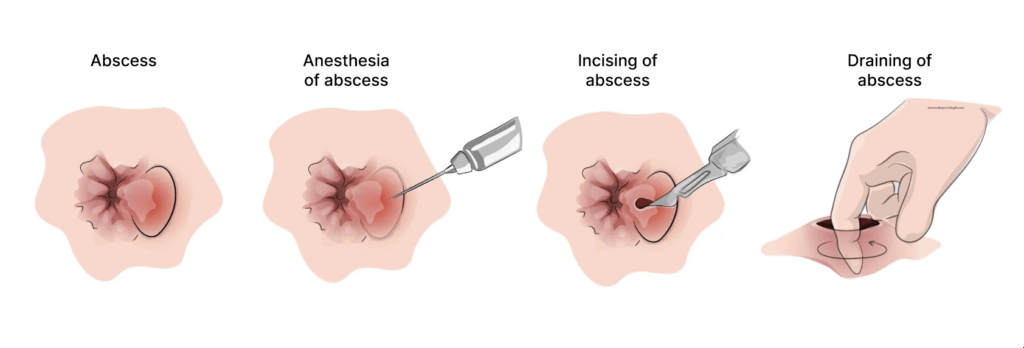
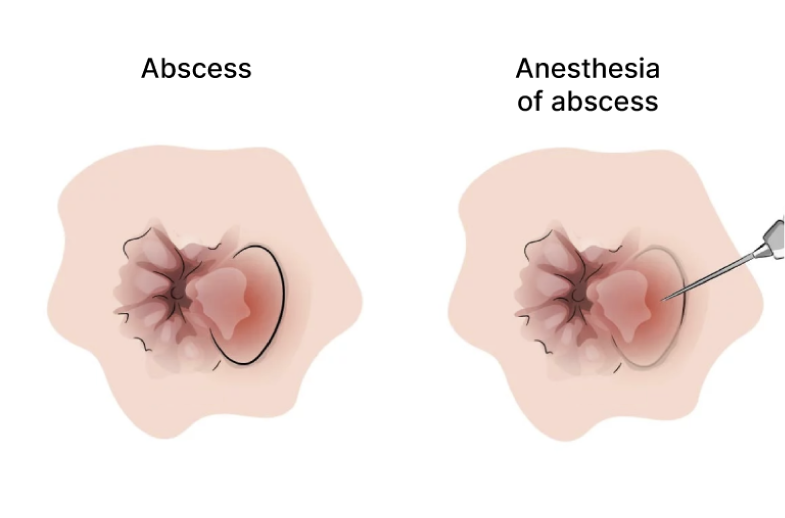
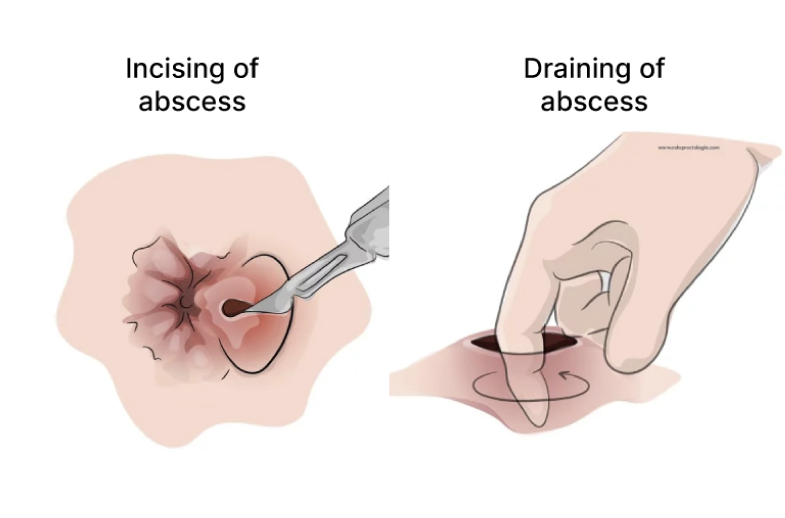
Incision And Drainage
This is the standard, first-line approach for superficial abscesses and is often performed under local anaesthesia in a clinic or minor procedure setting. However, some cases may still require drainage in an operating room depending on the depth, location, or patient comfort.
In this treatment, a small incision is made near the anus to drain the pus, relieve pressure, and control the infection.
Drainage In The Operating Room
When to Consider Perianal Abscess Drainage
See a Specialist on Perianal Abscess Drainage
Book a consultation with our specialist so we can evaluate your condition and try to find a suitable treatment.
What to Expect with Perianal Abscess Drainage
Before the Surgery
You will go through a pre-operative consultation with your specialist as the first step in the management of an anorectal abscess.
The doctor will usually perform a physical examination, and in more complex cases, may arrange imaging such as endoanal ultrasound or MRI to assess the extent of the infection.
Our colorectal specialist will provide a detailed explanation of your condition and discuss the procedure, its purpose, and risks with you. You will have time to ask questions or raise any concerns you may have at this point, and we will do our best to address each one of them. We will also provide a clear pre-surgery instructions to help you prepare.
During the Surgery
The perianal abscess drainage procedure is typically performed as a day surgery that takes around 10 to 30 minutes.
Depending on the abscess, either local or general anaesthesia may be used to ensure your comfort. Drainage of an ischiorectal abscess typically requires general anaesthesia due to its complexity.
The main steps of the procedure are as follows:
- The surgeon locates the abscess cavity
- A small opening is made to allow the pus to exit from it
- The cavity is cleaned and washed out with a sterile solution
- If an associated fistula is identified or suspected, the surgeon may place a seton to allow ongoing drainage and reduce the risk of recurrence
After the Surgery
Many patients are able to go home on the same day after the procedure, although the exact timing depends on the type of anaesthesia used and individual recovery.
You can typically expect to return to light daily activities within a few days, depending on your level of discomfort and healing progress. However, it is recommended to wait up to 2 weeks before resuming strenuous activity.
Full healing of the wound may take several weeks, typically around 2 to 4 weeks depending on the size and depth of the abscess.
Your specialist will provide specific post-operative instructions for wound care and arrange follow-up appointments to monitor your recovery. During recovery, monitor yourself for symptoms that may suggest infection, such as a fever or general feeling of being unwell.
Recovery and Prognosis for Perianal Abscess Drainage
Diligent post-procedure care is essential for smooth recovery following perianal or ischiorectal abscess treatment. To support the healing process, your doctor may recommend the following:
- Management of drainage through the use of gauze or pads in your underwear to absorb any lingering discharge.
- Keeping the area clean through regular showering or bathing.
- Avoiding soap or perfumed products on the wound site that could be irritants.
- Using laxatives or stool softeners to ensure soft, easy-to-pass bowel movements.
The prognosis for perianal or ischiorectal abscess management varies by case. However, most patients recover well, although some may develop recurrence or an anal fistula, which may require further treatment.
Risks and Side Effects of Perianal Abscess Drainage
While perianal or buttock abscess incision and drainage is a fairly common procedure, all medical interventions carry some level of risk:
- Infection after surgery, the risk of which is reduced with antibiotics
- Short-term complications like minor bleeding or delayed healing, which may be managed with standard post-operative care
- Abscess recurrence
Surgery Fees and Insurance Coverage
For a detailed fee breakdown or to check your eligibility for insurance or Medisave claims, please get in touch with us.